How to Run a Band Rehearsal That Doesn't Waste Time
August 7, 2026
· The Music Planner Team
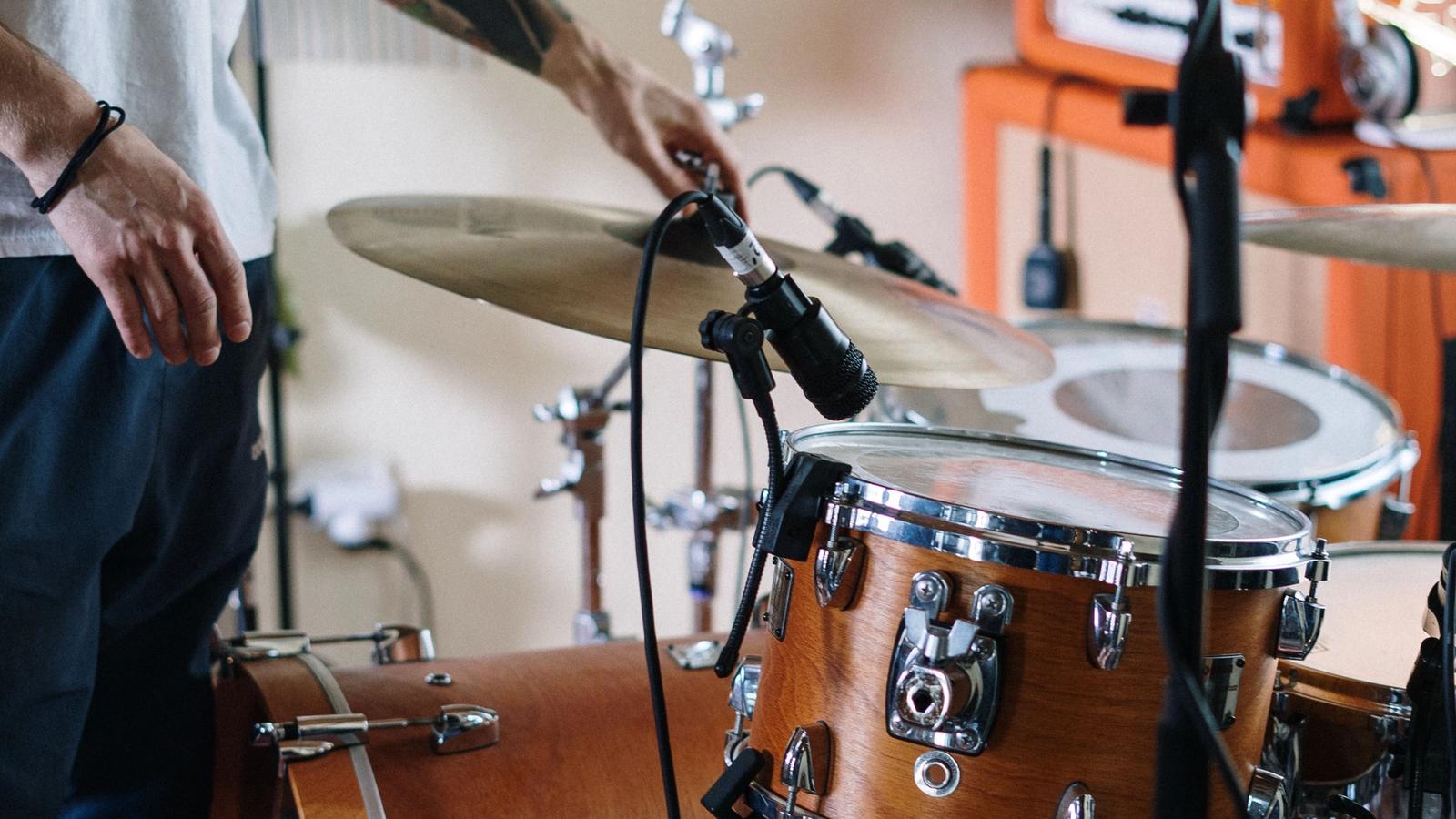
Book three hours, play for one. That's the quiet math of most band rehearsals: the first twenty minutes go to setup and small talk, the next twenty to deciding what to play, and somewhere in the middle the guitarist is learning a part while four other people check their phones. Nobody's lazy - the time just leaks. Here's a simple before-during-after system that plugs the leaks, so rehearsal is spent doing the one thing it's for: playing together.
Where rehearsal time actually goes
Track one rehearsal honestly and the pattern is hard to unsee. The hours disappear into:
- Setup and "while we're here" chatter that quietly stretches to half an hour.
- Deciding what to work on — because nobody set a plan before walking in.
- One player relearning a part that should have been learned at home, while everyone else waits.
- Hunting for the right chart, the right key, the right version of the recording.
- Arrangement debates that end with no decision — and get replayed next week.
None of that is playing. And only playing together makes a band tighter.
The one rule: rehearsal is for playing together
Everything in this system falls out of one principle: if a task doesn't need the whole band in the room, it doesn't belong in rehearsal. Learning your part doesn't need the band. Choosing songs doesn't need the band. Finding files definitely doesn't need the band. What needs the band is what you can't do alone — locking in grooves, balancing dynamics, nailing transitions, and making arrangement decisions you can actually hear out loud. Guard the room time for that, and push everything else to before or after.
Before: fifteen minutes of prep that saves an hour
One person — the bandleader, or whoever's turn it is — sets the plan a few days out. It takes about fifteen minutes:
- Pick the songs. Three to five is realistic for a two-hour rehearsal (a full set run counts as one item). Put them in a shared setlist so the order and keys are visible to everyone.
- Attach the materials. The chart, lyrics, and reference recording live on the song itself — nobody should have to ask "which version are we doing?" in the room.
- Name a goal per song. "Tighten the ending", "try the new bridge", "first run-through" — one line each. A goal is what separates progress from noodling.
- Set the homework. Parts get learned before rehearsal, not during — more on how below.
If the rehearsal is building toward a show, plan the set first and rehearse in set order — our guide to building the perfect setlist covers how to sequence it.
Learn parts alone, tighten them together
The biggest rehearsal-killer is one player learning a part while four people watch. This is where individual practice with stems changes the game: AI stem splitting lets each member solo or mute instruments in the actual recording — the drummer plays along to everything-but-drums, the singer pulls the vocal forward to learn the phrasing, the bassist isolates the low end instead of guessing at it. Ten focused minutes with your exact part beats an hour of full-band time spent catching one person up.
Set the expectation kindly but clearly: come knowing your part. Rehearsal is where parts meet — not where they're born.
During: run it like a show, fix it like a surgeon
In the room, work in two distinct modes — and be deliberate about which one you're in:
- Run mode — play the song top to bottom without stopping, like it's the gig. Note problems; don't fix them mid-song. Stopping every eight bars teaches a band to fall apart at the first mistake.
- Surgery mode — take the two or three trouble spots from the run and loop just those — the transition into the chorus, the last four bars, the tempo push in the bridge. Fix it, repeat it until it's boring, then do one more full run to seal it.
Timebox each song and let one person be the caller — the one who says "again from the bridge" or "good enough, moving on." And if a problem turns out to be one player's individual part, don't solve it in the room: mark it as homework and move to the next song.
After: capture decisions while they're fresh
The last five minutes are the cheapest insurance you'll buy all week. Update the setlist with anything that changed, write arrangement decisions on the song itself ("half-time ending, keys cues it"), and set the homework for next time. A decision that isn't written down will be re-debated next week — most bands lose more time re-deciding things than deciding them.
A sample two-hour rehearsal plan
- 0:00 — Set up, get levels, and warm up on one easy song everyone knows cold.
- 0:15 — Song 1: run it, then surgery on the trouble spots, then run it again.
- 0:40 — Song 2, same treatment.
- 1:05 — Break. Five minutes. Actually five.
- 1:10 — New song, first pass: play along with the recording, then attempt it without.
- 1:35 — Full run of the gig set (or the chunk you have) with no stopping.
- 1:55 — Wrap up: capture decisions, set homework, confirm the next date.
Swap the blocks to fit your band — the shape is what matters: prepared songs get surgery, new songs get exposure, and every rehearsal ends with an uninterrupted run.
The bottom line
Efficient rehearsals aren't about discipline or a stopwatch. They're about moving everything that doesn't need the full band out of the room: plan the songs before, learn the parts alone, spend the room time running and fixing together, and write down what you decided. Do that, and a two-hour rehearsal starts doing the work of four.
Want the plan, charts, and practice tracks in one place? Start free with Music Planner — build the rehearsal setlist, attach the materials, and let everyone learn their part before they walk in.
Frequently asked questions
How long should a band rehearsal be?
Two to three hours is the sweet spot for most bands. Under ninety minutes, setup eats too big a share; past three hours, focus drops faster than the songs improve. A planned two hours reliably beats an unplanned four.
How often should a band rehearse?
Weekly works for most gigging bands, with extra sessions before a big show. The honest answer: often enough that the set stays tight, and rarely enough that everyone shows up prepared. Individual practice between rehearsals moves the needle more than adding a second band session.
What if someone keeps showing up unprepared?
Make preparation easy before making it a confrontation: share the setlist days ahead, attach the recordings and charts to each song, and name the goal per song so "prepared" is concrete. If it still keeps happening, that's a direct conversation — not a rehearsal-format problem.
Do we need a proper rehearsal space?
No. Plenty of productive rehearsals happen in living rooms at low volume — running transitions, vocals, and arrangements doesn't need stage volume. The system matters more than the room. And if your gear stack is part of the chaos, see our guide to replacing five apps with one band tool.